When Can Kids Start Playing Golf? Your Age-by-Age Guide
If your child has shown even a flicker of interest in golf – or if you’re wondering whether it might be a brilliant activity for them – you’re probably asking yourself one key question: when is the right age to start? The good news is that children can begin enjoying golf much younger than most people realise. From playful introductions at age five, right through to more structured junior golf coaching for teenagers, there’s an approach that works for every age group.
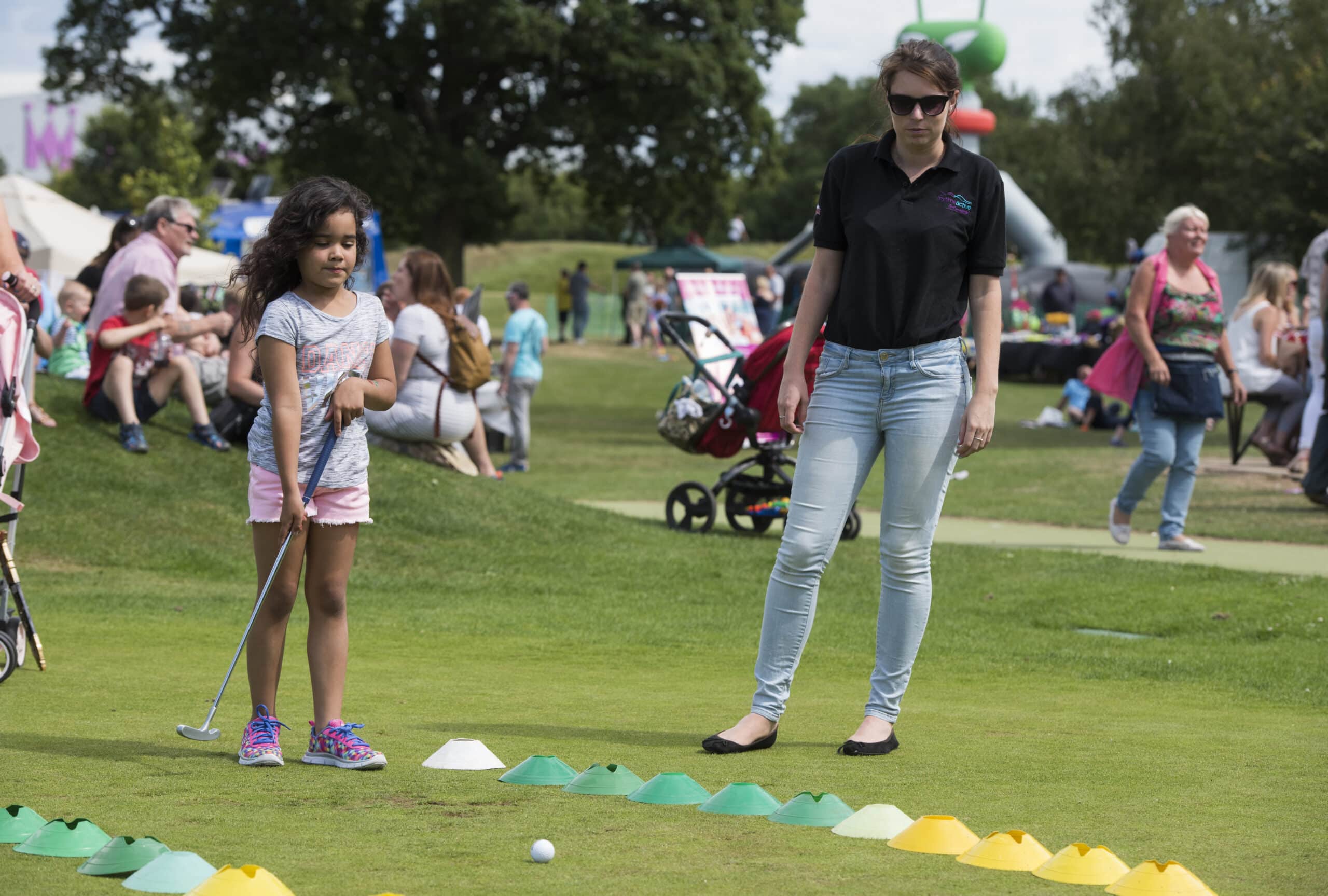
Ages 5–7: Play, Fun and First Swings
At this age, children’s golf is all about play. Don’t expect structured lessons or technical coaching – and frankly, they don’t want it either. For five, six and seven-year-olds, golf should feel like a game, because at this stage, that’s exactly what it needs to be.
Sessions for this age group focus on hand-eye coordination, basic motor skills, and having a brilliant time outdoors. Children might play target games, practise rolling balls towards holes, or have a go at hitting soft balls with lightweight, properly-sized junior clubs. The emphasis is entirely on enjoyment and building positive associations with the sport.
At this age, attention spans are short and that’s completely normal. Sessions tend to be shorter, more varied, and packed with different activities. If your child comes away saying they had fun, that’s a perfect result. The technical side of golf can wait.
Ages 8–11: Building Skills with Structure
This is often the sweet spot for childrens’s golf. Kids in this age range are ready for more structured coaching whilst still keeping things fun and engaging. They’re developing better coordination, they can concentrate for longer periods, and they’re starting to understand the concept of practising to improve.
Junior golf sessions for eight to 11-year-olds typically introduce the fundamentals of grip, stance and swing in a way that’s age-appropriate and encouraging. Children start to learn about different clubs and what they do, basic course etiquette, and how scoring works. Many children at this age begin to develop a genuine passion for the sport.
The social element becomes increasingly important too. Children make friends in their coaching groups, develop teamwork skills, and learn to encourage each other. Programmes like Get into Golf Rookies are specifically designed for this age group, combining structured learning with plenty of fun.
Ages 12–16: Technical Development and Growing Independence
Teenagers who enjoy golf are ready for more detailed technical coaching. This is the age when swing mechanics, course management, and strategy start to become more relevant. Some teenagers develop a competitive interest and may want to enter junior competitions, while others are perfectly happy playing socially with friends or family.
Both approaches are absolutely fine. Golf is wonderfully flexible in that it caters to competitive and non-competitive players equally well. For teenagers who want to push themselves, there are pathways into county and national junior golf. For those who simply enjoy being outdoors with their mates, golf provides exactly that.
This age group also starts to appreciate the mental side of golf – managing frustration, staying focused, making decisions under pressure. These are life skills as much as sporting skills, and golf teaches them in a way that few other activities can match.
Is My Child Too Young for Golf?
Almost certainly not. Golf can be adapted for very young children, and the best age to start playing golf is simply whenever your child shows interest or curiosity. Even children as young as three or four can enjoy rolling balls, playing putting games, and spending time outdoors at family-friendly golf venues.
The key is matching the activity to the child’s developmental stage. A five-year-old and a 15-year-old will have completely different experiences of golf, and that’s exactly how it should be. Good junior coaching recognises this and tailors everything accordingly.
Equipment for Junior Golfers
One of the most common concerns parents have, is about equipment. The reassuring answer is that you don’t need to buy anything to get started. Most children’s golf lessons and junior golf sessions provide age-appropriate clubs for participants to use.
When and if your child wants their own clubs, junior sets are available at very reasonable prices. Sizing matters more than brand names at this stage – clubs that are the right length for your child’s height will make learning easier and more enjoyable. Your child’s coach can advise on the right time to invest and what to look for.
Second-hand junior clubs are widely available too, which makes sense given how quickly children grow. There’s no need to spend a fortune.
Benefits of Golf for Different Age Groups
Regardless of their age, children who play golf gain so much more than just a sporting skill. Younger children develop coordination, balance, and social confidence. Primary-age children build patience, concentration, and the ability to handle both success and disappointment. Teenagers develop strategic thinking, self-discipline, and emotional resilience.
And across all age groups, golf gets children outside in fresh air, away from screens, and engaged in physical activity. It’s a sport they can share with friends, parents, and grandparents alike – one of very few activities where three generations can genuinely play together and all have a great time.
Getting Your Child Started
The easiest way to introduce your child to golf is to find a local junior golf session and let them try it. There’s no commitment, no pressure, and no expectation. Just a chance for your child to have a go and see if they enjoy it.
Take a look at our junior golf page for more details on programmes near you, or explore our family golf options if you’d like to try it together as a family. You might just be starting a hobby that your child enjoys for the rest of their life.
